
Currently Empty: ₨ 0
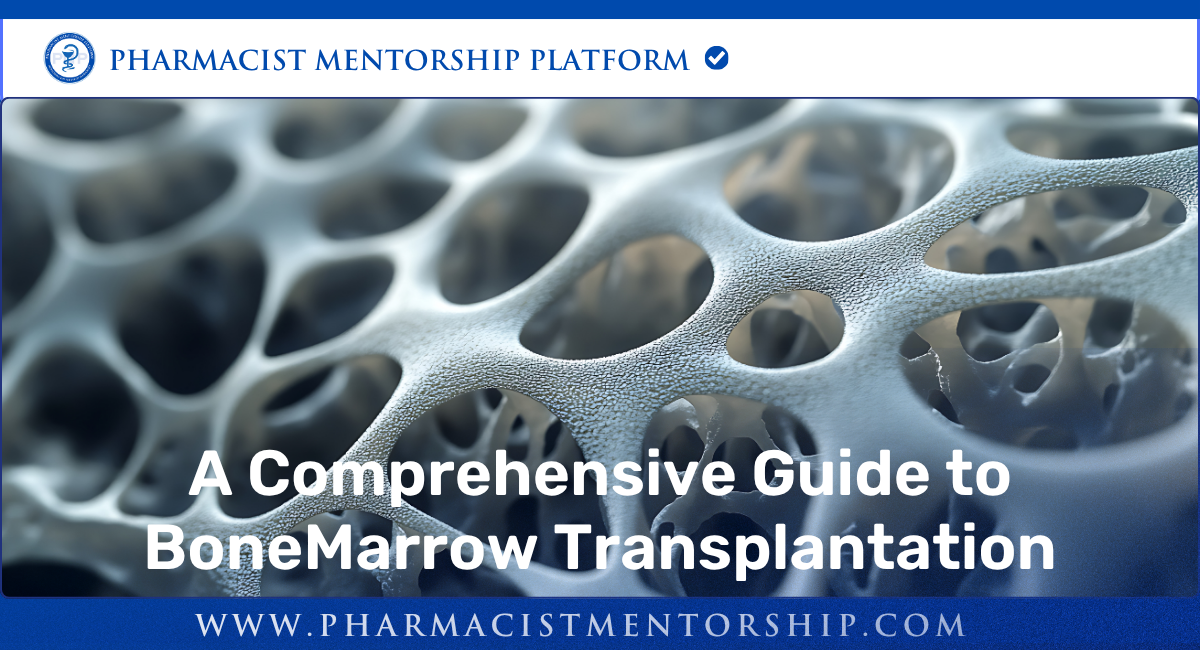
A Comprehensive Guide to BoneMarrow Transplantation
 Iqra Zafar
- October 25, 2025
- Comment 0

A bone marrow transplant (BMT), also known as a hematopoietic stem cell transplant (HSCT), is
a complex medical procedure that offers a potential cure for a range of life-threatening diseases.
It is a procedure of both profound destruction and regeneration, where a patient’s faulty bone
marrow is replaced with healthy stem cells to rebuild a functional blood and immune system.
This article delves into the intricacies of this life-saving treatment.
What is Bone Marrow and Why is it Vital?
To understand the transplant, one must first understand the component at its core: bone marrow.
Bone marrow is the soft, spongy tissue found in the center of large bones like the hip and thigh
bones. It is the production factory for the body’s blood cells, housing hematopoietic stem cells
(HSCs). These are “master” cells with the unique ability to develop into all the different types of
blood cells:
- Red Blood Cells (RBCs): Carry oxygen throughout the body.
- White Blood Cells (WBCs): Fight infection and are the core of the immune system.
- Platelets: Form clots to stop bleeding.
When bone marrow is damaged by disease, chemotherapy, or radiation, it can no longer produce
these essential cells, leading to anemia, severe infections, and uncontrolled bleeding. A bone
marrow transplant aims to reset this system.
Why is a Bone Marrow Transplant Needed?
BMT is typically reserved for severe conditions where other treatments have failed or are
unlikely to work. The primary reasons include:
1- Cancers:
Leukemias: Cancers of the blood and bone marrow (e.g., Acute Myeloid Leukemia, Acute Lymphoblastic Leukemia).
Lymphomas: Cancers of the lymphatic system (e.g., Hodgkin’s and Non-Hodkin’s Lymphoma).
Multiple Myeloma: A cancer of plasma cells in the bone marrow.
2- Bone Marrow Failure Syndromes:
Aplastic Anemia: A condition where the bone marrow stops producing enough new blood cells.
Myelodysplastic Syndromes (MDS): A group of disorders where the bone marrow produces dysfunctional blood cells.
3- Inherited Blood and Immune System Disorders:
Sickle Cell Anemia: A genetic disorder causing misshapen red blood cells.
Thalassemia: A disorder that reduces hemoglobin production.
Severe Combined Immunodeficiency (SCID): Also known as “bubble boy disease,” a life-
threatening immune deficiency.
4- Damage from Cancer Treatment:
High-dose chemotherapy or radiation for cancer can permanently destroy bone marrow. A BMT
is then used to “rescue” the patient.
The Four Types of Bone Marrow Transplants
The type of transplant is defined by the source of the healthy stem cells.
1- Autologous Transplant (“Auto” transplant)
Source: The patient’s own stem cells.
Process: Stem cells are collected from the patient when they are in remission or when their marrow is healthy. They are then frozen and stored. The patient undergoes high-dose chemotherapy or radiation to destroy any remaining cancer cells, which also wipes out their bone marrow. The stored stem cells are then thawed and reinfused into the patient’s bloodstream.
Use Case: Commonly used for multiple myeloma, Hodgkin’s and Non-Hodgkin’s lymphoma,
and some solid tumors.
Advantage: No risk of Graft-versus-Host Disease (GvHD). No need to find a donor.
Disadvantage: Risk that the collected stem cells may contain cancer cells.
2- Allogeneic Transplant (“Allo” transplant)
Source: Stem cells from a genetically matched donor.
Process: The donor can be a sibling (most likely match), another family member, or an
unrelated volunteer from a global registry. The patient’s bone marrow is destroyed with
conditioning therapy, and the donor’s stem cells are infused.
Use Case: Used for leukemias, aplastic anemia, inherited immune deficiencies, and other
disorders.
Advantage: The donor’s immune cells (from the graft) can recognize and destroy any remaining
cancer cells—a powerful effect known as the “Graft-versus-Leukemia” (GvL) effect.
Disadvantage: High risk of Graft-versus-Host Disease (GvHD) and other complications.
Requires a lengthy search for a matched donor.
3- Syngeneic Transplant
Source: Stem cells from an identical twin.
Process: Identical to an allogeneic transplant.
Advantage: Perfect genetic match, so no risk of GvHD and the GvL effect is still possible.
Disadvantage: Extremely rare due to the need for an identical twin.
4- Haploidentical Transplant (“Haplo” transplant)
Source: Stem cells from a “half-matched” family donor.
Process: This is a type of allogeneic transplant that has revolutionized the field. A patient
inherits half of their HLA (tissue type) markers from each parent, meaning each biological parent
and child is automatically a half-match. Siblings also have a 50% chance of being a half-match.
This makes a donor—such as a parent, child, or sibling—immediately available for nearly every
patient.
Use Case: Used for the same conditions as a standard allogeneic transplant, particularly when a
fully matched donor cannot be found quickly enough.
Advantage: Virtually universal donor availability. This eliminates long, potentially fatal waits
for an unrelated donor. It also allows for easier access to additional donor cells (like lymphocyte
infusions) if needed post-transplant.
Disadvantage: Historically, the HLA mismatch led to high rates of graft rejection and severe
GvHD. However, modern techniques like Post-Transplant Cyclophosphamide (PTCy)—where a
high dose of chemo is given after the transplant to kill the alloreactive T-cells that cause
GvHD—have made Haplo transplants remarkably safe and successful.
The Transplant Process: A Step-by-Step Journey
A BMT is a long and arduous process, often spanning several months, and involves multiple
critical stages.
1- Pre-Transplant Workup and Conditioning
The patient undergoes extensive tests to assess their heart,lung, kidney, and liver function. The
donor is also thoroughly screened. This is followed by conditioning therapy, which involves
high-dose chemotherapy and/or radiation to:
· Destroy the diseased bone marrow.
· Suppress the patient’s immune system to prevent it from rejecting the donor cells.
2- Stem Cell Collection (Harvesting)
There are three primary sources for stem cells:
Bone Marrow Harvest: The donor undergoes a surgical procedure under anesthesia where
marrow is withdrawn from the hip bones using a needle.
Peripheral Blood Stem Cell Collection (Apheresis): The most common method. The donor
receives injections of a growth factor to move stem cells from the marrow into the bloodstream.
The blood is then drawn from one arm, passed through a machine that collects the stem cells, and
returned through the other arm.
Umbilical Cord Blood: Stem cells collected from the placenta and umbilical cord after a baby’s
birth. These are frozen and stored in cord blood banks.
3- Transplantation (Infusion)
This is the actual”transplant” day, but it is surprisingly simple. The collected stem cells are
infused into the patient’s bloodstream through a central venous catheter, much like a blood
transfusion. The cells naturally find their way to the bone marrow cavities and begin to engraft.
4- Engraftment and Recovery
Engraftment is the process where the transplanted stem cells begin to multiply and produce new,
healthy blood cells. This typically occurs 2 to 4 weeks after the transplant. This period is the
most critical and dangerous:
The patient has virtually no immune system and is at extreme risk for infections. They are kept
in a protective, sterile environment.
They require strong antibiotics, antiviral, and antifungal medications.
Blood and platelet transfusions are common until the new marrow takes over.
5- Post-Transplant Care and Long-Term Follow-Up
Recovery continues long after leaving the hospital. Patients require close monitoring for months
to years for:
Management of Graft-versus-Host Disease (GvHD): A condition where the donor’s immune cells attack the patient’s body. It can affect the skin, liver, and gastrointestinal tract and requires immunosuppressive drugs.
Infections: The immune system remains compromised for a long time.
Long-Term Effects: These can include organ damage, hormonal changes, infertility, and the risk
of developing new cancers.
Risks and Challenges
BMT is a high-risk procedure with potential for severe complications, including:
- Graft Failure: The new stem cells do not engraft.
- Graft-versus-Host Disease (GvHD): A major cause of morbidity and mortality in allogeneic transplants.
- Infections: Due to the period of neutropenia (very low white blood cell count).
- Organ Damage: The conditioning regimen can be toxic to the liver, heart, lungs, and kidneys.
- Relapse: The original disease can return.
The Future of Bone Marrow Transplantation
The field is continuously evolving to improve outcomes and reduce risks. The rise of
Haploidentical Transplantation is a prime example of this progress. Other advancements include:
- Reduced-Intensity Conditioning (RIC): Using lower doses of chemo/radiation to make transplants available for older and sicker patients.
- Cellular Therapies: Post-transplant infusions of specific immune cells to boost the GvL effect and fight infections.
- Improved GvHD Prevention: New drugs and protocols are better at managing this dangerous complication.
- Gene Therapy: For some inherited disorders, the patient’s own stem cells can be genetically corrected and then transplanted back.
Conclusion
A bone marrow transplant is a monumental undertaking—a testament to the resilience of patients
and the advances of modern medicine. While fraught with significant risks, it represents a
powerful and often curative therapy for many who have no other options. The development of
Haploidentical transplantation has been a game-changer, ensuring that almost every patient in
need can find a donor. Through ongoing research, global donor registries, and the selfless
generosity of donors—both fully matched and half-matched—this procedure continues to offer a
profound gift: a second chance at life.